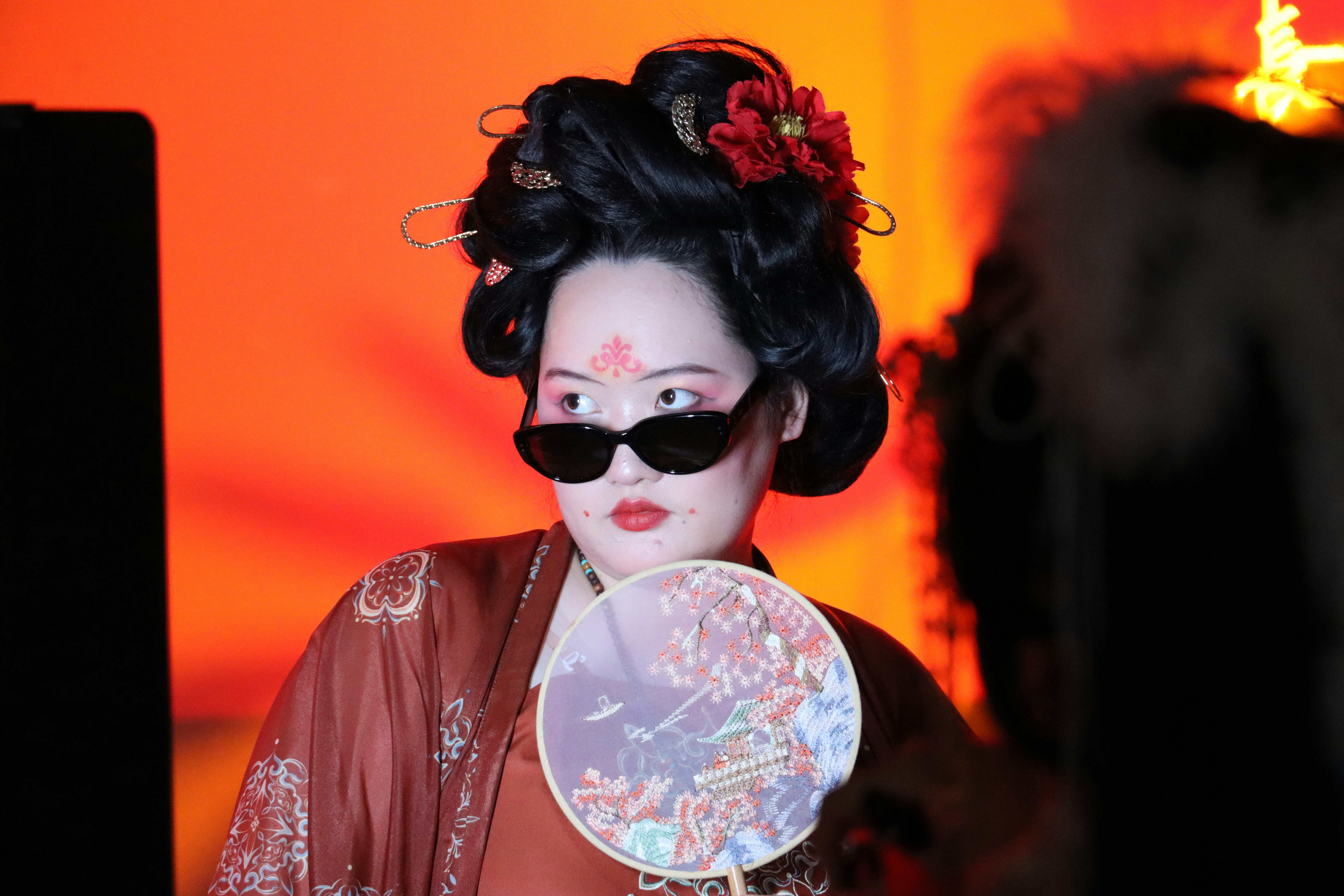
Introduction to ‘Pursuit of Jade’
‘Pursuit of Jade’ is a captivating television drama that intricately weaves the allure of traditional Chinese storytelling with a rich historical backdrop. Set against the tumultuous times of the Tang Dynasty, the series unfolds a narrative that centers on love, betrayal, and the pursuit of truth. The drama follows the journey of its main characters, who navigate a world marked by political intrigue and personal rivalries, ultimately leading to a deeper understanding of their destinies and the legacy of their cultural heritage.
The significance of ‘Pursuit of Jade’ extends beyond its entertainment value; it serves as a tribute to the diverse facets of traditional Chinese culture, particularly in its portrayal of fashion. By focusing on the elaborate garments and accessories worn by the characters, the drama provides viewers with a visual representation of the artistry that characterized this historical period. Each piece of clothing featured in the series reflects not only individual personality traits but also the social status and roles of the characters within the society of the time.
The historical context of the Tang Dynasty, often regarded as a golden age for Chinese civilization, profoundly influences the character designs and clothing style throughout ‘Pursuit of Jade.’ With its vibrant art, innovative technologies, and flourishing trade, this era inspired intricate fashion choices that symbolize the cultural richness of the time. The costumes are meticulously crafted to convey historical accuracy while enhancing the narrative, drawing viewers into the allure of an age long passed yet ever so beautifully depicted through the lens of modern storytelling.
Cultural Significance of Traditional Chinese Fashion
Traditional Chinese fashion serves as a profound reflection of the country’s rich history and cultural evolution. Throughout the different dynasties, attire has not only been a means of protection and warmth but has also played a critical role in illustrating social status, cultural customs, and individual identity. In the narrative of the drama “Pursuit of Jade”, viewers are offered a vivid representation of the sartorial styles pertinent to the portrayed period, revealing much about the characters’ social standing and personal histories.
Costumes from various dynasties, such as the Han, Tang, and Ming, exhibit distinctive features that signify rank and lifestyle. For instance, the Han dynasty’s traditional clothing, known for its loose-fitting robes, reflects both simplicity and elegance while signifying the moral values held during that era. In contrast, during the Tang dynasty, the emphasis on vibrant colors and intricate patterns illustrates a period of cultural openness and extravagance, influenced by foreign contacts along the Silk Road. These variations in fashion throughout history illustrate the evolution of social hierarchy and communal values.
Moreover, traditional attire often embodies specific cultural customs. For example, silk garments are not only associated with wealth due to the expensive cost of silk production, but they also represent cultural prosperity deeply woven within China’s heritage. Clothing in “Pursuit of Jade” incorporates these elements, capturing the essence of cultural identity while portraying how clothing styles can express resistance or conformism to societal expectations.
Ultimately, the examination of traditional Chinese fashion in the context of “Pursuit of Jade” allows for a deeper understanding of how these garments encapsulate the essence of historical and cultural narratives, reflecting not just the aesthetic values but also the social dynamics of ancient China.
Detailed Analysis of Key Outfits in ‘Pursuit of Jade’
The drama ‘Pursuit of Jade’ features a rich tapestry of traditional Chinese fashion, meticulously designed to represent the characters’ identities and emotional landscapes. Each outfit is not merely a costume but a narrative tool that conveys depth and significance. For instance, the protagonist’s signature outfit, a vibrant blue silk hanfu adorned with intricate gold embroidery, encapsulates both her noble background and her inner strength. The choice of blue symbolizes tranquility and wisdom, while the gold accents hint at her high status and aspirations.
In contrast, the antagonist’s attire consists of darker tones, predominantly deep red and black, crafted from heavier fabrics such as brocade. This combination reflects a powerful visual message of authority and menace. The use of red evokes passion and ambition, while the black adds an element of mystery and danger. Additionally, the stark differences in texture between the antagonist’s garments and those of the protagonist amplify their conflicting personalities—one is light and fluid, conveying hope, while the other is dense and structured, representing control and volatility.
Supporting characters also wear outfits that speak volumes about their roles and social standings. For example, a character dressed in earthy tones, featuring simpler designs made of cotton, illustrates a humble background and a grounded personality. The muted palette aligns with their loyalty and practicality. Furthermore, the use of accessories, such as elaborately styled hairpins and embroidered shoes, enhances each outfit, signifying connections to cultural heritage and personal stories.
Through this careful selection of fabrics, colors, and symbols, ‘Pursuit of Jade’ effectively constructs a visual language that deepens viewer engagement and enriches the storytelling experience. The traditional fashion showcased forms an integral part of the narrative, allowing the audience to appreciate the cultural significance embedded in the clothing worn by the characters.
Character Profiles and Their Fashion Choices
The drama “Pursuit of Jade” intricately weaves character narratives with fashion, highlighting how attire reflects emotional arcs and personal transformations. Each character’s clothing serves as a visual shorthand for their inner thrusts and societal positions.
Take the protagonist, Li Wei, who represents resilience and innovation. Her costumes evolve from simplified, rural silhouettes to ornate garments adorned with exquisite embroidery as her status rises. The transition in her fashion not only marks her journey from humble beginnings to noble success but also complements her fiercely determined personality. The intricate details on her attire symbolize her intricate emotions and the multifaceted challenges she faces.
Conversely, the character of Xiao Feng showcases fluidity and adaptability through her wardrobe choices. Originally dressed in vibrant colors symbolizing youth and freedom, her attire gradually adopts deeper tones mirroring the burdens she bears. Each outfit encapsulates her ever-changing environment and emotional landscape, presenting her as a character who reflects the complexities of her relationships and experiences.
Moreover, the enigmatic villain, Lord Zhang, dons luxurious fabrics that convey his power and authority. His clothing is a stark contrast to the simpler styles of the other characters, manifesting his desire for control. The sumptuousness of his attire juxtaposes the struggles of the protagonists, emphasizing the thematic struggle of wealth against virtue.
In “Pursuit of Jade,” character development unfolds alongside the evolution of fashion styles, creating a narrative rich in visual storytelling. By examining how these characters interact with their clothing, viewers gain insight into their personal journeys and transformations, reinforcing the vital role that traditional fashion plays within this drama.
The Role of Accessories in Traditional Fashion
In the realm of traditional Chinese fashion, accessories play a pivotal role in defining the overall aesthetic. In the drama Pursuit of Jade, we observe a remarkable array of hairpieces, jewelry, and other ornamental elements that not only adorn the characters but also reflect the rich historical context of the era. These accessories serve multiple purposes, ranging from enhancing the visual appeal to symbolizing social status and cultural identity.
Hairpieces, for instance, are a significant element in traditional Chinese attire, often crafted from elaborate materials such as silk, gold, and gemstones. In Pursuit of Jade, characters are frequently seen donning intricate hairpins and ornamental combs that elevate their hairstyles, showcasing craftsmanship and artistic expression. Such adornments were historically believed to signify beauty and sophistication, with specific designs corresponding to various social classes and occasions.
Jewelry also holds immense importance within the context of traditional fashion. Pieces like necklaces, earrings, and bracelets are not merely ornamental; they carry deep cultural significance. In the drama, the use of jade jewelry is particularly noteworthy, as jade has been revered in Chinese culture for centuries. It symbolizes purity, virtue, and moral integrity, making its presence in character attire a deliberate choice that underscores their traits and societal roles.
Furthermore, other ornamental elements such as embroidered scarves, brocade sashes, and decorative belts add layers of complexity to the characters’ costumes. These accessories often incorporate traditional motifs and colors that resonate with the narrative themes, thus enriching the visual storytelling. Through the skilled use of accessories, Pursuit of Jade not only showcases the aesthetic beauty of traditional fashion but also emphasizes its historical and cultural relevance, inviting viewers to appreciate the sophistication of this art form.
Influence of Color in Traditional Attire
In Chinese traditional fashion, color serves as a critical medium of expression, deeply intertwined with cultural beliefs and symbolism. The drama ‘Pursuit of Jade’ highlights this aspect through its vivid portrayal of attire, where each hue plays a significant role in character representation and thematic development. The selection of colors is not arbitrary; rather, it reflects centuries of tradition where each color embodies specific meanings and sentiments.
Red, for instance, is often associated with happiness, luck, and prosperity, frequently appearing in wedding gowns and celebratory attire. In ‘Pursuit of Jade’, characters donning red attire are typically portrayed in joyous situations or as noble and virtuous, reinforcing the positive connotations of the color. Conversely, darker colors like black are often linked to mourning or solemnity, showcasing the complexity of emotional expressions through color. By using black for certain characters, the narrative conveys a sense of tragedy or conflict, enriching the audience’s understanding of their journey.
Furthermore, the use of colors such as green, representing harmony and growth, is strategically integrated into the costumes of characters embodying hope or resilience. This deliberate choice not only affects audience perception but also mirrors the historical significance attached to these colors in traditional Chinese culture. A character dressed in expansive shades of green may symbolize renewal, aligning with their story arc of personal growth.
The thoughtful application of color in ‘Pursuit of Jade’ exemplifies how traditional attire transcends mere fashion; it becomes a vehicle through which the underlying themes of the narrative are expressed and understood. Thus, color choices extend beyond aesthetics, serving to deepen character portrayal while reflecting rich cultural narratives.
Fashion Trends Depicted in ‘Pursuit of Jade’
The drama ‘Pursuit of Jade’ presents a rich tapestry of traditional Chinese fashion that not only captivates audiences but also serves as a window into the historical attire of various dynasties. The characters in the series are often adorned in intricately designed garments that feature vibrant colors and elaborate patterns, reflecting the era’s appreciation for aesthetic beauty and craftsmanship. These costumes, which include flowing robes, delicate embroidery, and ornate accessories, resonate with the visual language of traditional Chinese fashion.
One striking element is the frequent representation of the qipao and hanfu styles. The qipao, originating from the early 20th century, showcases a blend of modern usability and classic elegance. In ‘Pursuit of Jade’, its depiction highlights how contemporary interpretations can invigorate traditional attire, suggesting a harmonious relationship between past and present sartorial practices. Meanwhile, the hanfu, a traditional dress of the Han dynasty, is presented with a significant level of authenticity, emphasizing its long-standing cultural heritage.
Additionally, the fashion trends illustrated in this drama underline a transformation in how traditional clothing is perceived in modern society. While maintaining the core characteristics of classical styles, the wardrobe choices of characters such as the protagonist suggest a nuanced evolution. For instance, streamlined silhouettes and minimalist designs incorporated into traditional cuts reflect current fashion sensibilities, illustrating a blend of tradition with modern chic.
Overall, the fashion trends in ‘Pursuit of Jade’ not only enrich the visual narrative of the drama but also contribute to a broader dialogue regarding the preservation and innovation of traditional Chinese fashion. By drawing on historical elements while adapting to contemporary interpretations, the series underscores a cultural appreciation that bridges generations, making traditional clothing relevant in today’s fashion landscape.
Impact of ‘Pursuit of Jade’ on Modern Fashion
The Chinese drama ‘Pursuit of Jade’ has made significant strides in shaping modern fashion trends, particularly in the realm of Chinese traditional attire. The series has captivated audiences not only through its engaging narrative but also by showcasing exquisite costume designs that reflect the richness of Chinese heritage. This visual appeal has led to an increased interest in traditional Chinese fashion within contemporary contexts, prompting designers to explore ways to merge ancient aesthetics with modern sensibilities.
One of the key impacts of ‘Pursuit of Jade’ is the resurgence of traditional textiles and patterns that were prominently featured in the show. As a result, fashion houses and independent designers have started incorporating similar elements into their lines, resulting in collections that pay homage to historical garments while appealing to today’s consumer preferences. Notably, the elegance displayed in the drama’s costumes has inspired a new wave of clothing that highlights the beauty of silk, brocade, and hand-embroidered details, which are hallmark features of traditional Chinese fashion.
Moreover, collaborations between fashion designers and production teams of popular Chinese dramas have become more prevalent in recent years. These partnerships often lead to exclusive collections inspired by the show’s style, thus allowing fans to own a piece of the aesthetic they admire. For instance, certain brands have released capsule collections that echo the iconic looks from ‘Pursuit of Jade’, enabling a wider audience to experience the allure of this traditional fashion.
In addition, social media has played a crucial role in amplifying the influence of ‘Pursuit of Jade’ on modern fashion. Platforms such as Instagram and Weibo have witnessed an influx of stylish content, where fans showcase their interpretations of outfits inspired by the show, creating a dynamic dialogue between traditional elements and contemporary fashion trends.
Conclusion: The Enduring Legacy of Traditional Fashion
Traditional Chinese fashion, as illustrated in the drama Pursuit of Jade, serves not only as an aesthetic representation but also as a vital narrative of cultural identity. The series encapsulates how attire can transcend mere clothing, embodying the rich heritage and historical context of China. Each garment showcased holds profound significance, communicating social status, regional identity, and personal stories of the characters involved. The intricate designs and vibrant fabrics are a testament to the artistry and craftsmanship that has been passed down through generations.
The portrayal of traditional attire in contemporary dramas such as Pursuit of Jade emphasizes the need for preservation and celebration of cultural heritage. It showcases that fashion is not static but rather a living expression of a society’s history and values. As viewers engage with these historical narratives, they are offered glimpses into traditional practices that may otherwise be forgotten. This media representation fuels a resurgence of interest in traditional fashion among younger generations, fostering a deeper appreciation for cultural roots.
Moreover, integrating traditional fashion into modern storytelling can act as a bridge connecting the past with the present. Cultural continuity is essential in a rapidly changing world, providing people with a sense of belonging and identity. In doing so, the drama highlights the significance of maintaining traditional sartorial practices, ensuring they evolve in tandem with contemporary society while still honoring their original purpose.
In conclusion, through the examination of traditional clothing in Pursuit of Jade, we reinforce the vital role that such fashion plays in preserving cultural narratives. By acknowledging and valuing these garments, we not only celebrate the artistry of historical dress but also ensure its legacy endures for future generations.