The Cultural Impact of Chinese Mini-Series on Fashion Trends
The rise of Chinese mini-series in 2026 has significantly influenced contemporary fashion trends, making a notable impact both locally and internationally. These series are not merely forms of entertainment; they serve as a reflection of the dynamic nature of modern Chinese culture and lifestyle. Each production showcases distinctive styles, colors, and fabrics that resonate with audiences, capturing their attention and prompting them to explore fashion inspired by the series.
Character representation plays a pivotal role in this cultural phenomenon. Viewers become emotionally invested in the protagonists, and their wardrobe choices set trends among fans. The portrayal of characters in various settings—be it urban scenes or traditional settings—variably introduces fashion statements that embody the essence of contemporary Chinese aesthetics. Fabrics like silk, cotton, and modern synthetics are often highlighted, showcasing a blend of tradition and innovation that appeals to a broad demographic.
The storytelling aspect of these mini-series further deepens viewer engagement. By integrating narrative elements with fashion aesthetics, viewers are presented with an immersive experience where clothing choices reflect the characters’ emotions, status, and cultural identities. This connection fosters a desire for consumers to emulate these looks in their own lives, leading to increased interest in fashion brands that draw inspiration from these series. As a result, local designers and global brands alike are adapting their collections to align with the visual narratives presented on screen, thereby establishing a symbiotic relationship between media and fashion.
In a globalizing world, these mini-series not only resonate within China but also reach audiences worldwide, creating a cross-cultural dialogue about fashion. By highlighting the intricacies of modern Chinese style, they leave an indelible mark on international fashion trends, further enhancing the global appreciation of modern Chinese aesthetics.
Key Elements of Modern Chinese Clothing Style
Modern Chinese clothing style in 2026 reflects a harmonious blend of traditional elements and contemporary design innovations. One prominent characteristic of this evolving fashion landscape is the use of traditional fabrics, such as silk, brocade, and linen. These materials not only evoke a sense of history and cultural pride but also contribute to the luxurious feel of modern garments. Designers are increasingly experimenting with these fabrics, infusing them into modern silhouettes that appeal to a broader audience, thereby reviving interest in age-old textiles.
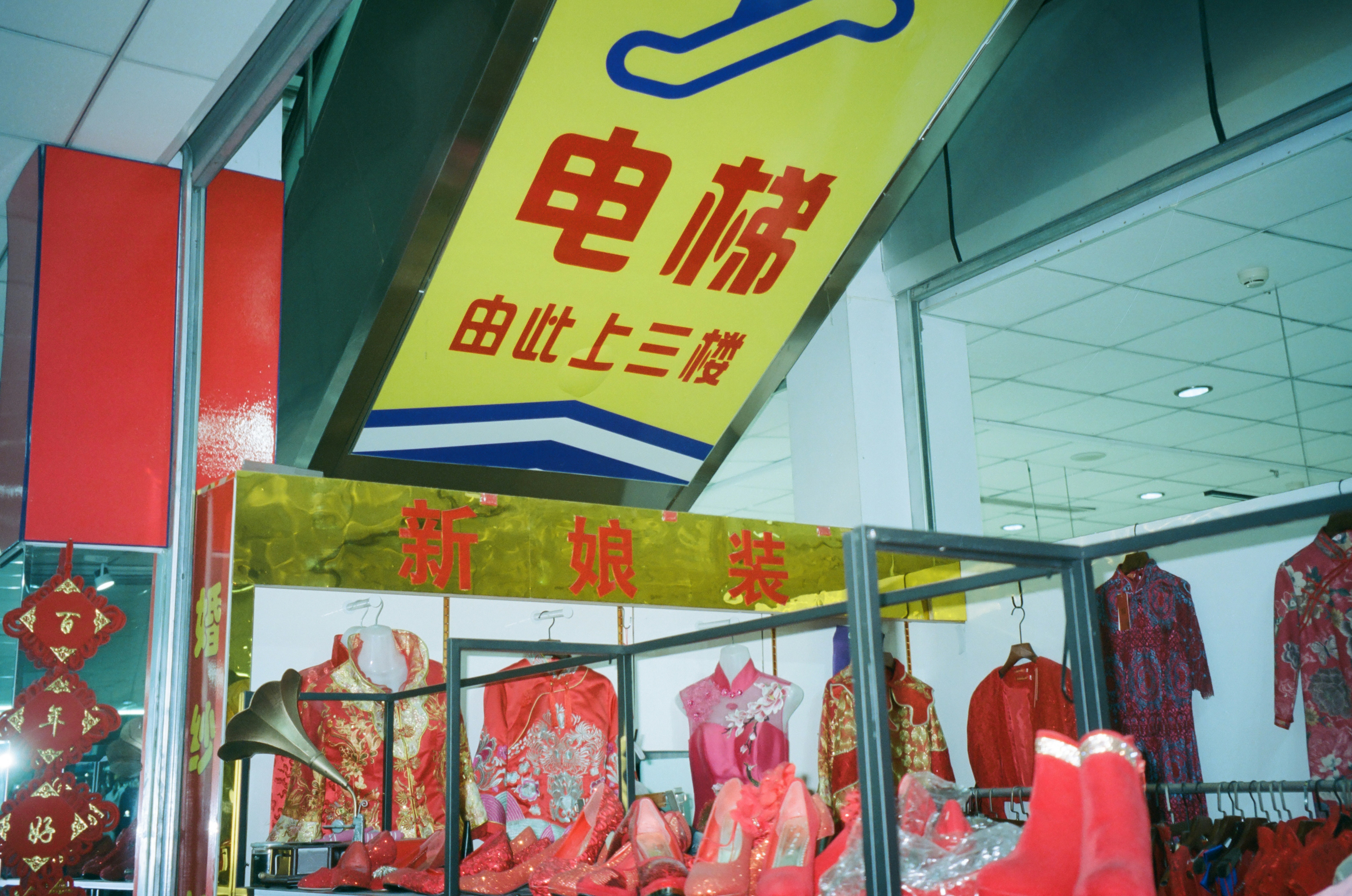
Contemporary designs in modern Chinese fashion incorporate innovative silhouettes that bridge the gap between the past and present. Asymmetrical cuts, oversized shapes, and layered looks are key trends that have gained popularity. This shift towards more relaxed and versatile clothing caters to the dynamic lifestyles of today’s consumers, while still paying homage to traditional Chinese attire, such as the qipao and hanfu. The integration of these classic forms with modern fabric technologies allows for both comfort and style, marking a significant step forward in Chinese fashion design.
Cultural symbols and patterns also play a pivotal role in the modern Chinese clothing style. Designers are creatively reinterpreting classical motifs, such as dragons, phoenixes, and floral designs, and utilizing them in contemporary apparel. This not only enhances the garments’ aesthetic appeal but also serves as a means of storytelling, allowing wearers to connect with their heritage on a personal level. Moreover, intricate embroidery techniques that date back centuries are being revived, bringing an artisanal touch to mass-produced fashion items. Such practices celebrate the rich artistic traditions of China while appealing to modern tastes, firmly establishing a unique identity in the global fashion arena.
Celebrity Influencers and Their Role in Trendsetting
The intersection of Chinese mini-series and modern fashion is increasingly defined by the powerful influence of celebrity figures. As actors and actresses gain prominence through their roles in popular mini-series, they inadvertently become fashion icons. Their unique sartorial choices, whether showcased on-screen or during public appearances, often ripple through the fashion landscape, shaping the preferences of their followers. For instance, leading stars like Liu Yifei and Dylan Wang are not only celebrated for their performances but also for their chic interpretations of contemporary attire, which has significantly boosted the popularity of modern Chinese fashion.
Social media platforms serve as pivotal arenas where these celebrities can share their fashion journeys. With millions of followers, they utilize platforms like Weibo and Instagram to showcase their personal styles, thereby extending their influence beyond traditional entertainment domains. By posting images of their outfits, attending fashion shows, and collaborating with renowned designers, these influencers help propel modern Chinese fashion into the global spotlight. This active engagement fosters a deeper connection with their audience, encouraging fans to adopt trends that resonate with their favorite stars.
The fashion choices made by these leading figures also reflect broader cultural narratives present in the mini-series they star in. Costume designers frequently draw from traditional Chinese aesthetics and incorporate modern elements, a visual language that resonates with many viewers. When these celebrities don similar looks outside of their roles, it not only highlights contemporary interpretations of traditional designs but also sets a new norm in trendy fashion. Consequently, their influential presence is vital in democratizing modern Chinese fashion, making it accessible and appealing to a wider audience while encouraging global acceptance.
The Future of Fashion: Sustainability and Innovation in Modern Chinese Clothing
As modern Chinese fashion evolves, a notable shift towards sustainability and innovation is becoming increasingly evident. This change is not solely a response to global fashion trends; rather, it is also influenced by the narratives present in contemporary Chinese mini-series, which often highlight themes of environmental consciousness and ethical living. The interplay between entertainment and fashion has opened avenues for designers to adopt eco-friendly practices in their production processes, aligning with the rising consumer demand for sustainable options.
One of the most significant developments in modern Chinese clothing is the emphasis on using eco-friendly materials. Designers are increasingly sourcing natural fabrics and recycled materials, aiming to reduce the fashion industry’s environmental impact. By prioritizing these sustainable fabrics, the clothing not only becomes more appealing from an ethical standpoint but also caters to a growing market segment that values transparency and responsibility in fashion. Mini-series narratives often echo these ideals, influencing audiences to be more conscious of the clothing choices they make.
Moreover, the fusion of traditional craftsmanship with innovative technologies plays a crucial role in shaping future trends. By incorporating techniques passed down through generations, designers are infusing modern aesthetics with cultural heritage. Advances in technology, such as 3D printing and automated garment production, enhance this blend, allowing for intricate designs that minimize waste. This synergy not only preserves the history of Chinese fashion but also provides an opportunity for innovation. The storytelling aspect of mini-series mirrors this journey, depicting characters who embrace both heritage and modernity, which resonates strongly with viewers and potential consumers alike.
As we look ahead, it is evident that the future of modern Chinese clothing will be characterized by a commitment to sustainability and innovation. The intersection of entertainment narratives and responsible fashion practices will continue to define the landscape, encouraging both designers and consumers to prioritize environmental stewardship in their choices.